
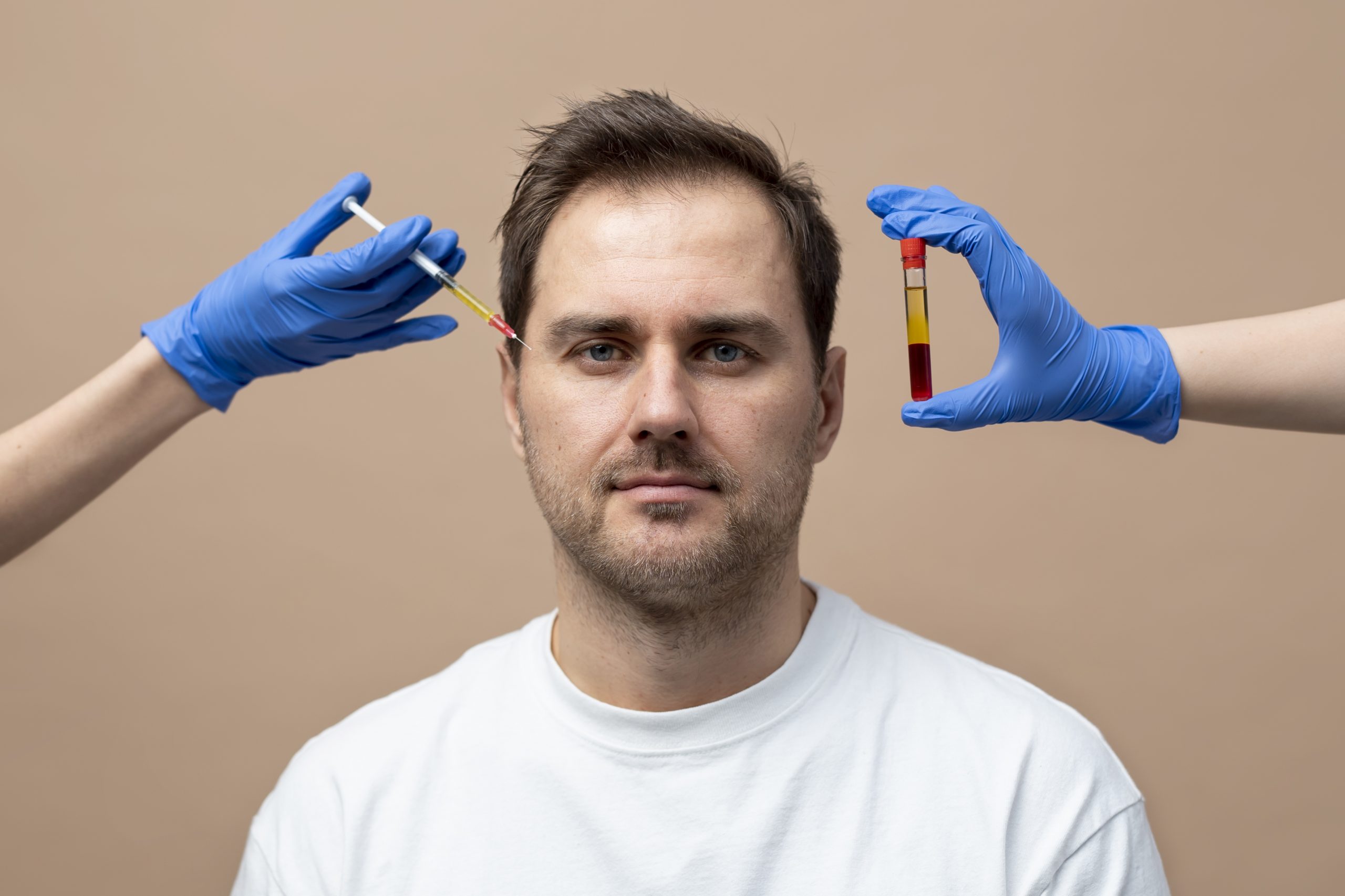
Introduction: The Rise of PRP in Hair Restoration
Hair restoration has long been a sought-after solution for patients dealing with thinning hair, early-stage baldness, or hair loss due to aging or genetics. Traditionally dominated by topical treatments, prescription drugs, or surgical transplants, the field has shifted dramatically with the introduction of PRP hair treatment training into clinical practice.
For physicians and nurse practitioners seeking effective, low-risk, and in-demand procedures to expand their cosmetic offerings, PRP—Platelet-Rich Plasma—has proven to be a compelling option. With growing patient awareness and consistent clinical outcomes, knowing how to deliver PRP hair treatments properly is fast becoming a valuable skill in aesthetic and regenerative medicine.
How PRP Stimulates Hair Growth: The Medical Science
Platelet-Rich Plasma is derived from a small sample of the patient’s blood, spun in a centrifuge to separate the platelet-rich portion, and then injected into targeted areas of the scalp. This plasma is rich in growth factors and bioactive proteins that stimulate healing and cellular regeneration.
When applied to the scalp, these growth factors can activate dormant or underperforming hair follicles. Over time, this leads to:
- Increased hair thickness and density
- Improved scalp health
- Slowed or reversed hair shedding
Unlike topical treatments that depend on daily use or surgical solutions that require extended recovery, PRP offers a minimally invasive, biologically natural method to address hair thinning—without synthetic drugs or implants.
PRP Hair Training: Medical vs. Aesthetic Perspective
There are two core approaches when it comes to PRP hair treatment training: the medical and the aesthetic.
Medical Application:
In a medical setting, PRP is often used to treat patients with hair loss due to:
- Androgenetic alopecia
- Postpartum hair thinning
- Autoimmune-related shedding
- Hair loss secondary to other conditions
Physicians may also combine PRP with nutritional support, hormone therapy, or medications, making it part of a larger therapeutic plan.
Aesthetic Application:
In cosmetic clinics or med spas, PRP is used primarily to improve the look and density of the hair. Patients may not have clinically defined alopecia but seek PRP for aesthetic enhancement—denser hairlines, thicker ponytails, or improved volume.
Both approaches rely on the same biological principles, but training in the two can vary slightly depending on goals, patient populations, and practice type. Whether a practitioner focuses on clinical outcomes or cosmetic improvements, proper technique and patient selection are key to success.
What to Expect in a Quality PRP Hair Treatment Training Program
A comprehensive PRP hair restoration training program should offer more than a theoretical overview. While understanding the science behind PRP is important, hands-on application and real-world protocols are what make the difference in clinical success.
Key Elements of a Strong Training Course:
1. Anatomy and Physiology of the Scalp
Understanding scalp layers, follicle structure, and vascular supply is essential to performing safe, targeted injections.
2. Patient Evaluation and Selection
Trainees learn how to assess candidacy based on hair density, hair cycle stage, underlying medical conditions, and treatment goals.
3. Blood Processing Techniques
Instructors cover proper centrifugation settings, anticoagulants, and plasma extraction methods to yield effective platelet concentrations.
4. Injection Protocols
Hands-on instruction using mannequins or live models teaches depth, spacing, and safety protocols for injections in various scalp regions.
5. Treatment Planning
Courses often include sample timelines, recommended treatment frequencies, and how to evaluate progress over time.
6. Adverse Reactions and Patient Safety
Although PRP is low risk, proper handling, sterilization, and consent procedures must be followed.
By completing a structured training course, providers gain confidence in their ability to perform the procedure safely and effectively.
Why Hands-On Experience Matters
Textbooks and theory have their place, but PRP hair treatment training truly comes to life through practical experience. Working directly with experienced trainers and actual patients allows medical professionals to:
- Practice proper injection angles and depths
- Adjust techniques based on scalp type and hair density
- Manage patient expectations and post-care instructions
Training programs that include live models or supervised clinics tend to produce more confident, skilled practitioners ready to integrate PRP into daily practice.
ROI and the Business Case for PRP Hair Restoration
Adding PRP to a practice isn’t just clinically rewarding—it can also be financially strategic. As hair loss affects millions of men and women, demand for natural, effective solutions is high. Patients are often willing to invest in multiple treatment sessions, especially when they see visible results.
What Makes PRP an Attractive Offering?
- Low Overhead: The main costs involve centrifuge equipment and collection kits.
- High Demand: Hair restoration is a common aesthetic concern across demographics.
- Repeat Business: PRP often requires 3–4 initial sessions followed by maintenance.
- Bundling Opportunities: Combine PRP with microneedling, supplements, or topical therapies for package deals.
According to industry trends, clinics that add PRP hair restoration training to their portfolio often report strong patient satisfaction, repeat visits, and word-of-mouth referrals.
How PRP Hair Procedures Fit into an Aesthetic Practice
For clinicians already offering PRP for aesthetics in facial rejuvenation or skin tightening, expanding into hair restoration is a logical next step. The skills, tools, and protocols share common ground, making it easier to diversify services without steep learning curves.
Patients seeking cosmetic facial procedures often have overlapping concerns about hair thinning or hairline recession. Offering PRP hair treatments during the same visit—or as a follow-up option—can:
- Improve patient satisfaction
- Increase practice revenue
- Encourage longer-term patient engagement
Choosing the Right PRP Hair Training Course
Not all training programs are created equal. When selecting a PRP hair treatment training course, medical professionals should look for:
- Certified instructors with clinical experience in hair restoration
- Hands-on components with live models or practice dummies
- Detailed protocols for various hair loss patterns
- Post-training support, including forms, follow-ups, or community forums
Some programs also offer integrated instruction on PRP for aesthetics or joint regenerative therapies like stem cell-based hair treatments, which can further expand a provider’s capabilities.
Final Thoughts: Learn, Apply, Grow
Hair restoration using PRP isn’t just a trend—it’s becoming an integral part of cosmetic and regenerative medicine. With scientific backing, high patient demand, and relatively simple integration, it offers both clinical satisfaction and business potential.
By enrolling in a qualified PRP hair treatment training program, medical professionals can gain the skills and confidence needed to deliver results that patients appreciate. Whether the goal is to treat clinical alopecia or offer cosmetic hair volume solutions, PRP stands out as a versatile, high-value addition to any practice.
Regenerative Medicine Academy offers physician-led PRP hair restoration training designed for busy professionals. Courses include hands-on instruction, live model demonstrations, and practical protocols that are ready to implement. Learn from experts in regenerative health and expand your aesthetic practice with confidence.
Visit Regenerative Medicine Academy to enroll and get started.
No responses yet